+91 00000 00000
 WhatsApp us

10 common English mistakes Indian learners make (and how to fix them)

 [Publish date]
 6 min read
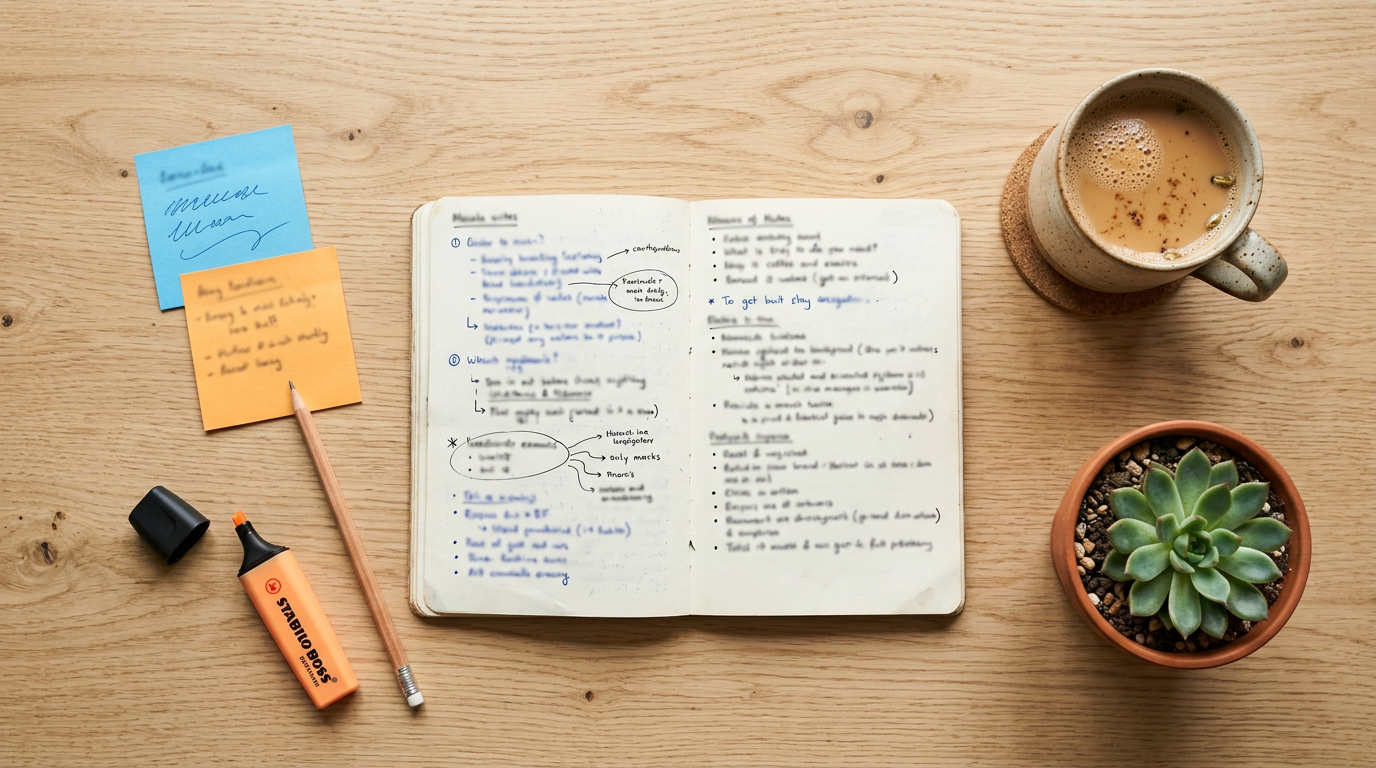
Most English mistakes aren't about big grammar rules. They come from small habits – often direct translations from our first language. The good news? Once you notice them, they're easy to fix. Here are the mistakes our trainers hear most often in class, with what to say instead.
1. Using “-ing” with possession
 Avoid
I am having a car.
 Say
I have a car.
Verbs like have (for possession), know and like are usually not used in the -ing form.
2. Adding “about” after discuss
Avoid
Let's discuss about the plan.
Say
Let's discuss the plan.
Discuss already means “talk about”, so it doesn't need about.
3. Introducing yourself with “Myself…”
Avoid
Myself Priya.
Say
My name is Priya. / I'm Priya.
“Myself” can't start a sentence on its own. Use a full, simple introduction.
4. Saying “cousin sister” or “cousin brother”
Avoid
She is my cousin sister.
Say
She is my cousin.
In English, cousin is used for both male and female relatives.
5. “Revert back” for reply
Avoid
Please revert back by Friday.
Say
Please reply by Friday.
Revert means to go back to an earlier state. For emails, use reply or get back to me.
6. Using “since” with the present tense
Avoid
I am here since morning.
Say
I have been here since morning.
With since and for, use the present perfect (have been) to talk about time up to now.
Mistakes 7–10 continue here: “return back”, “do one thing”, “one of my friend”, and “he don't know”. [Article continues – full copy to be written by the trainer.]
Quick practice
Fix this sentence: “We will return back tomorrow.”
Answer: “We will return tomorrow.” – return already means come back.